








When it comes to candle making, one small detail makes a big difference: your wick. Choosing the best one — cotton or wood — affects how the candle burns, how well the fragrance fills a room, and the overall experience from the very first light.
So, when comparing cotton vs wood wick, which one is better? The answer depends on the type of candle you want to create. Let's get into it.
Cotton Wicks: Dependable, Clean, and Built to Perform

Cotton wicks have been the backbone of the candle making process for decades, and for good reason. They are steady, predictable, and when you have a good one, they just work.
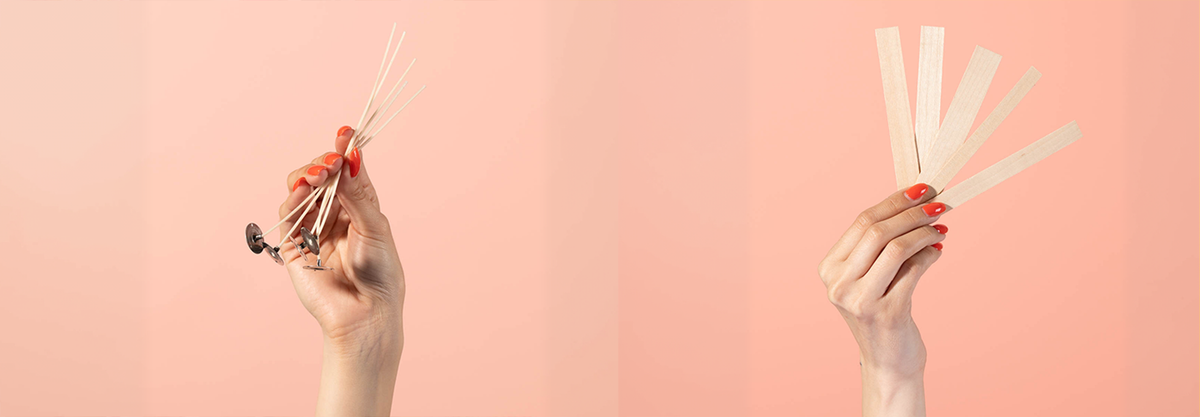
makesy's performance cotton candle wicks are built with a proprietary, patented knitted core made from biodegradable plant-based fibers, giving a consistent, upright burn.
These wicks stand out because of their self-trimming design — the wick gently curls as it burns, reducing carbon buildup and preventing mushrooming at the tip.
Wood Wicks: Crackle, Ambiance, and a Whole Vibe

If cotton wicks are the workhorse, wood wicks are the showstopper. makesy's premium wooden candle wicks are made from sustainable, FSC-certified wood and create a wider, softer flame.
The wider flame creates an expansive melt pool that helps your candle fragrance oils release more efficiently — many makers see a noticeable improvement in scent throw, particularly in wider vessels.
Scent Throw, Burn Time, and Choosing What Fits Your Candle
Neither wick type is universally superior. What matters is the match between your wick, your wax, your fragrance load, and your vessel. If you're still figuring out sizing, makesy's candle wick sample kits are the smartest way to test multiple options before a full production run.
So, Which Wick Should You Choose?
Go with cotton if you want a reliable, no-fuss performer that works across a wide range of wax types. Choose wood wick if you want to create an experience — the crackle, the visual warmth, the wide flame set your product apart on a shelf.
And honestly, the smartest thing you can do is test both. Burn tests are not optional.

